
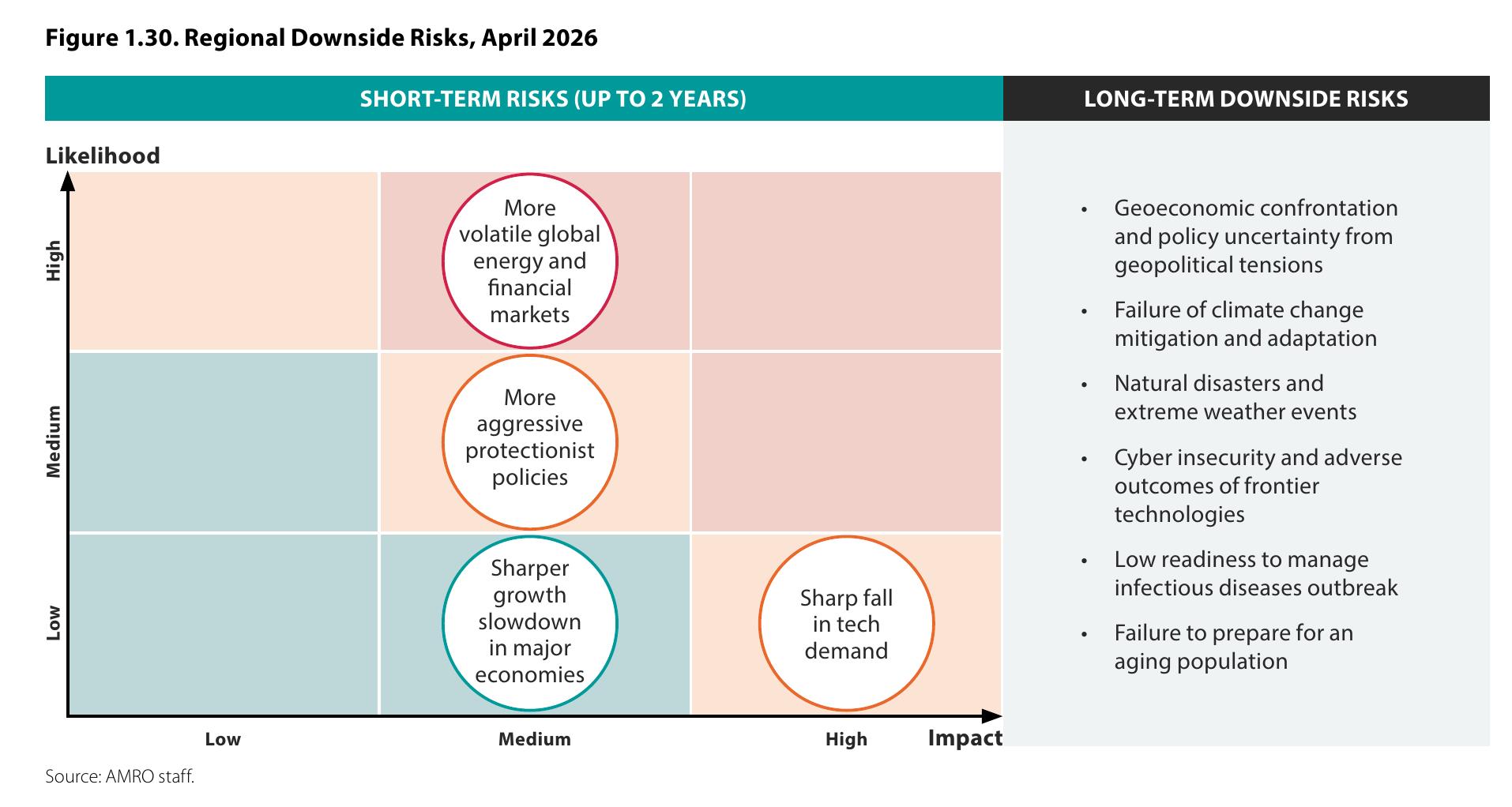
Chapter 1. Macroeconomic Prospects and Challenges Beyond the risk factors assessed above, several other corrections. Heightened volatility could expose underlying outlook. Developments in global financial markets, and the weigh on the region through trade, investment, and tourism channels. In the United States, the combination of policy uncertainty, emerging signs of labor market softening,elevated tariffs and higher inflation may downside risk to the region. Elevated equity valuations dampen private demand, with spillovers to the region in risk sentiment. The direction of US Federal Reserve through weaker import demand. In Europe, growth remains policy, in particular, remains a source of uncertainty unexpected tightening or hawkish signals, especially amid leadership change at the Federal Reserve, could trigger costs stemming from geopolitical tensions. More moderate capital outflows, put pressure on regional exchange rates, and increase borrowing costs. More broadly, geopolitical tensions, divergent monetary stances across major economies, and questions over the durability of Al-driven largest trading partner and a major source of final demand. Part Ill. Policy Considerations: Preserving Policy Flexibility Amid financial conditions remain subject to rapid repricing. for policymakers in the ASEAN+3 region in 2026. The adds a further dimension to this challenge, as it could strength - growth in 2025 exceeded expectations, inflation remained well-contained, and external buffers policy calibration across the region. Under the baseline, from both directions, reducing the case of a strong policy around the baseline. The full impact of the US tariffs has yet to unfold, technology-driven shifts in global deteriorate - will be essential, tailored to the specific conditions and vulnerabilities of each economy. demand could move in either direction, and global
 研搜
研搜



 0731-84720580
 商务合作:really158d

 友链申请 (QQ):1737380874


 下载Excel
 下载图片
下载图片
 原图定位
原图定位


 打包全文图表
 收藏
收藏
 2026-07-29
 原图定位
原图定位
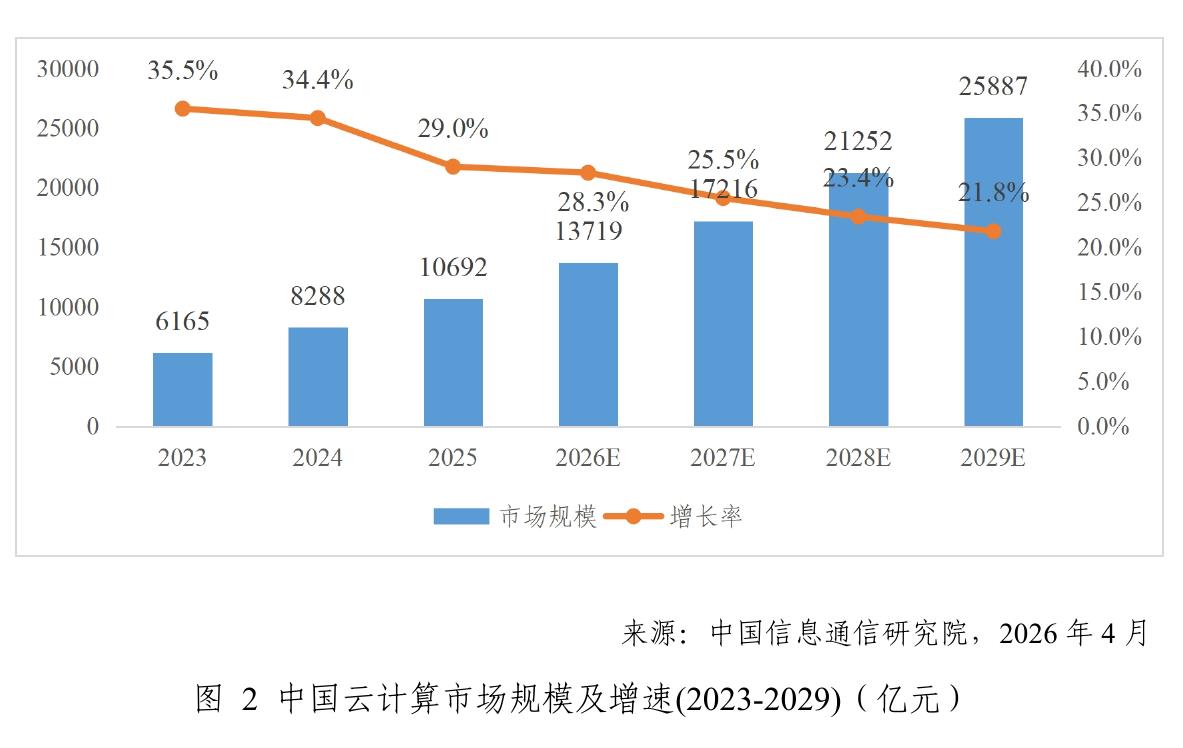




![满足AI推理需求所需的计算资源规模(以吉瓦计)[9]](https://file.sgpjbg.com/FileUpload1/News/2a923cfb-8dea-43d4-9114-4097f1972f49.png "满足AI推理需求所需的计算资源规模(以吉瓦计)[9]")


 微信扫码登录


 手机快捷登录

 账号登录
账号登录

